01
Real estate and its debt
Real property is excluded as an asset, but the debt associated with it still counts. Structures that keep the asset out and the liability in drive valuation down.
The proposed California billionaire tax is a one-time 5% excise tax on net worth, and it’s heading to voters this fall. Residency is already locked in, but your net worth isn’t measured until December 31, 2026. Here’s what counts, what doesn’t, and how to use the time that’s left.
If you ask your friends, the first thing they’ll tell you is to move. But the act’s residency date is January 1, 2026, so for anyone already in California, leaving is largely no longer a viable plan. The real question now is what your net worth will be on December 31.
California residents on this date are within the scope of the tax. Relocating after the fact doesn’t change that.
Determine whether you truly qualify, then restructure assets and liabilities to lawfully reduce reportable net worth.
Assets minus liabilities, as of year end. Anything you want reflected has to be in place by this date.
The act requires 100% of people who pay the tax to be audited, so the paperwork behind your valuation matters as much as the number.
You’d think you would know. It isn’t quite that simple. The tax applies to net worth, and what the act counts as an asset is where the planning begins.
Included in your net worth calculation.
Not counted as assets under the act.
If your next capital raise implies the company is worth $3 billion, you might assume you’re in trouble. Not necessarily. For private companies, the act looks at the balance sheet, not the term sheet.
Structuring assets and liabilities the right way can significantly reduce your net worth as it pertains to the billionaire tax. A few of the levers we look at:
Real property is excluded as an asset, but the debt associated with it still counts. Structures that keep the asset out and the liability in drive valuation down.
If you guarantee debt for several companies, call the bank and turn the page: become primarily liable and let the company guarantee you. It becomes a subtraction on your balance sheet.
IRAs, 401(k)s, pensions and non-qualified deferred compensation are excluded. There may be ways to contribute more and remove that value from the calculation.
Tangible personal property located outside the state, such as fleets, equipment and medical equipment, isn’t counted as your asset.
Artwork, car collections and other collectibles share a combined $5 million exemption. Modest at this scale, but it should be captured.
Every taxpayer will be audited. We build the valuation support and paperwork alongside the planning, so you’re prepared when it comes.
100% of the people who pay this tax will be audited. So find a good advisor who can help you do the valuation and do the planning.
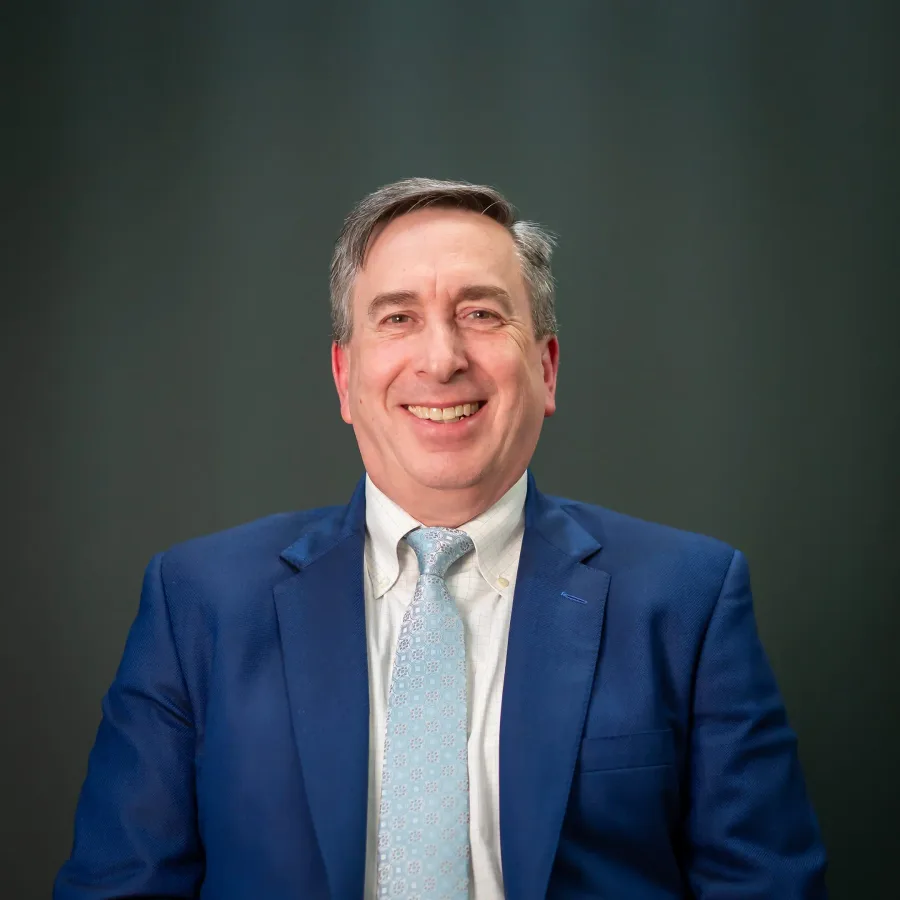 Rich Hofmann, CPA, JDExecutive Vice President of Tax, Neil Jesani Advisors
CPAs, attorneys and enrolled agents who handle valuation, structuring and audit defense together, not across three different firms.
President & CEO
Executive Vice President of Tax

Tax Manager
VP of Tax & CFO Services

Senior Tax Director
Senior Director of Tax & Estate Planning

Director of Tax & CFO Services
Senior Manager of Taxes & CFO Services

Senior Tax Manager

Director of Tax & Advisory
Director of CFO Services
Director of Tax & Advisory
Director of Tax & Advisory
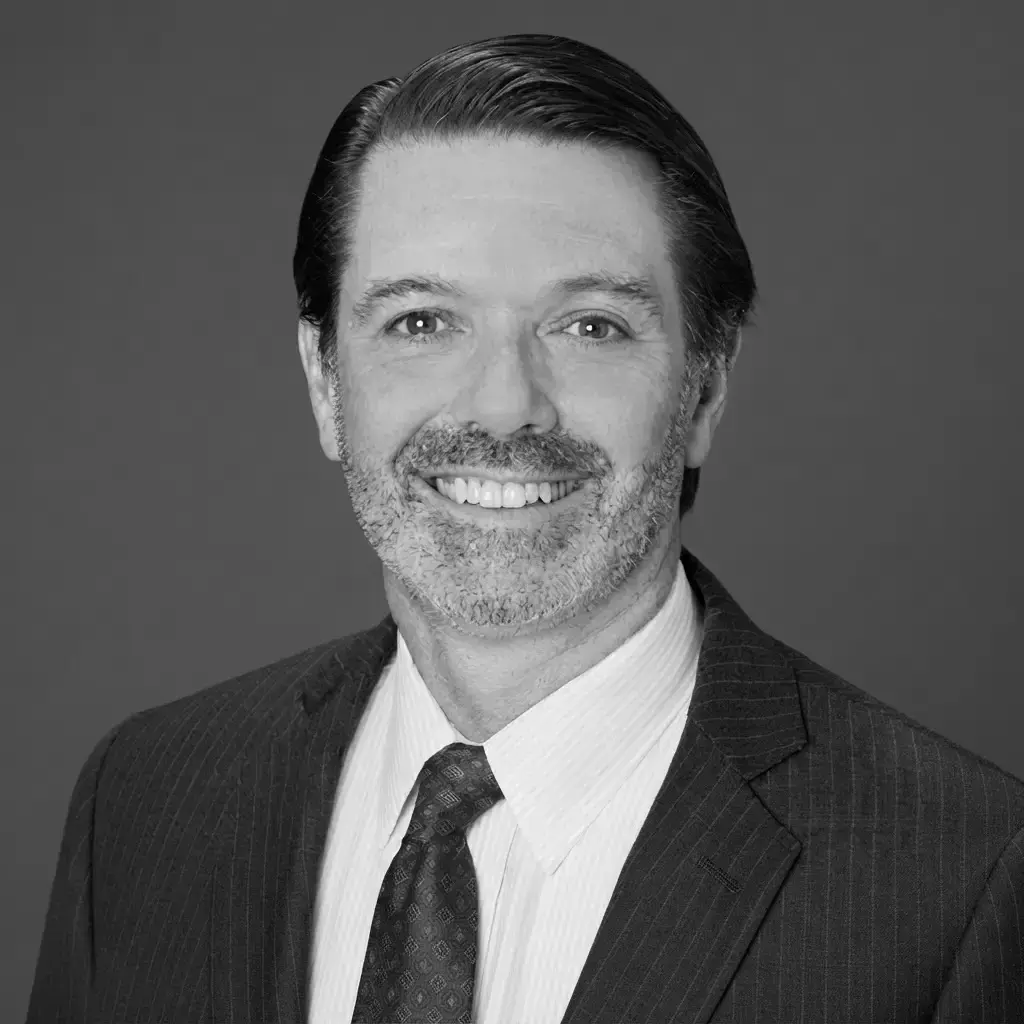
Director of Tax & Advisory
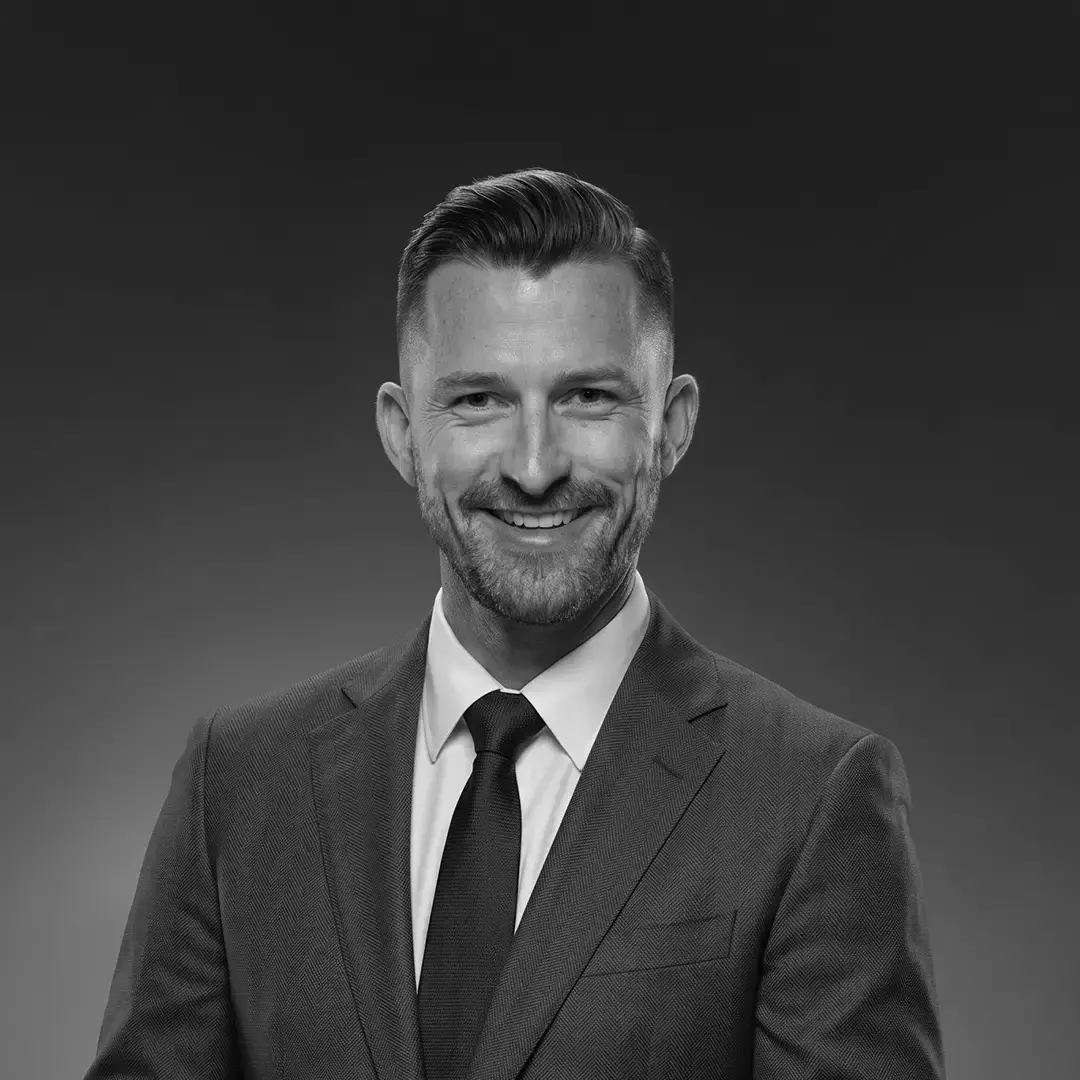
Director of Transaction Advisory Services
Our advisors bring decades of experience across business, technology, government, finance and national leadership.
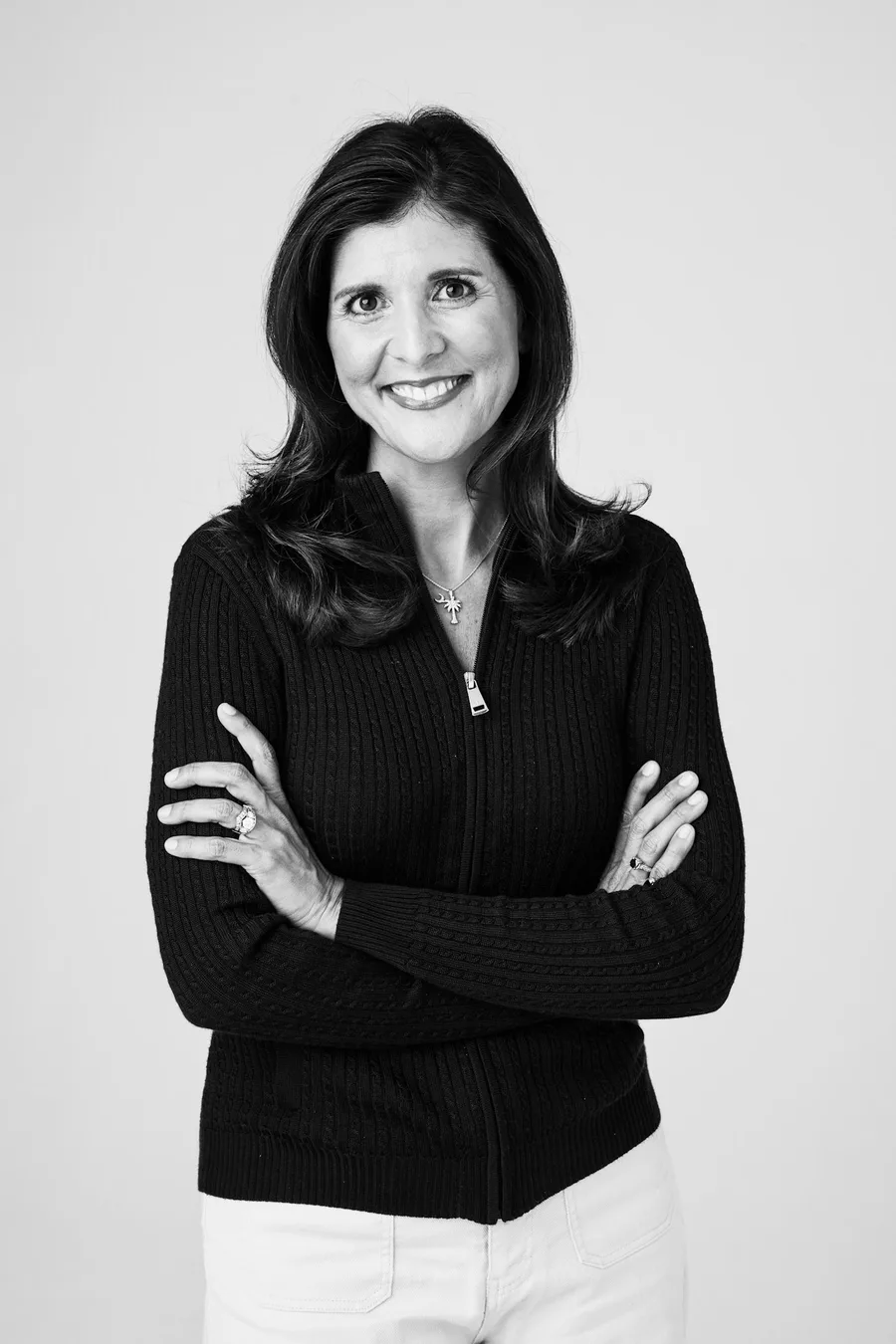
Former Governor of South Carolina & U.S. Ambassador to the United Nations
116th Governor of South Carolina, former U.S. Ambassador to the United Nations, and two-time New York Times bestselling author. Named one of the 100 most influential people in the world by Time magazine.
Read full bio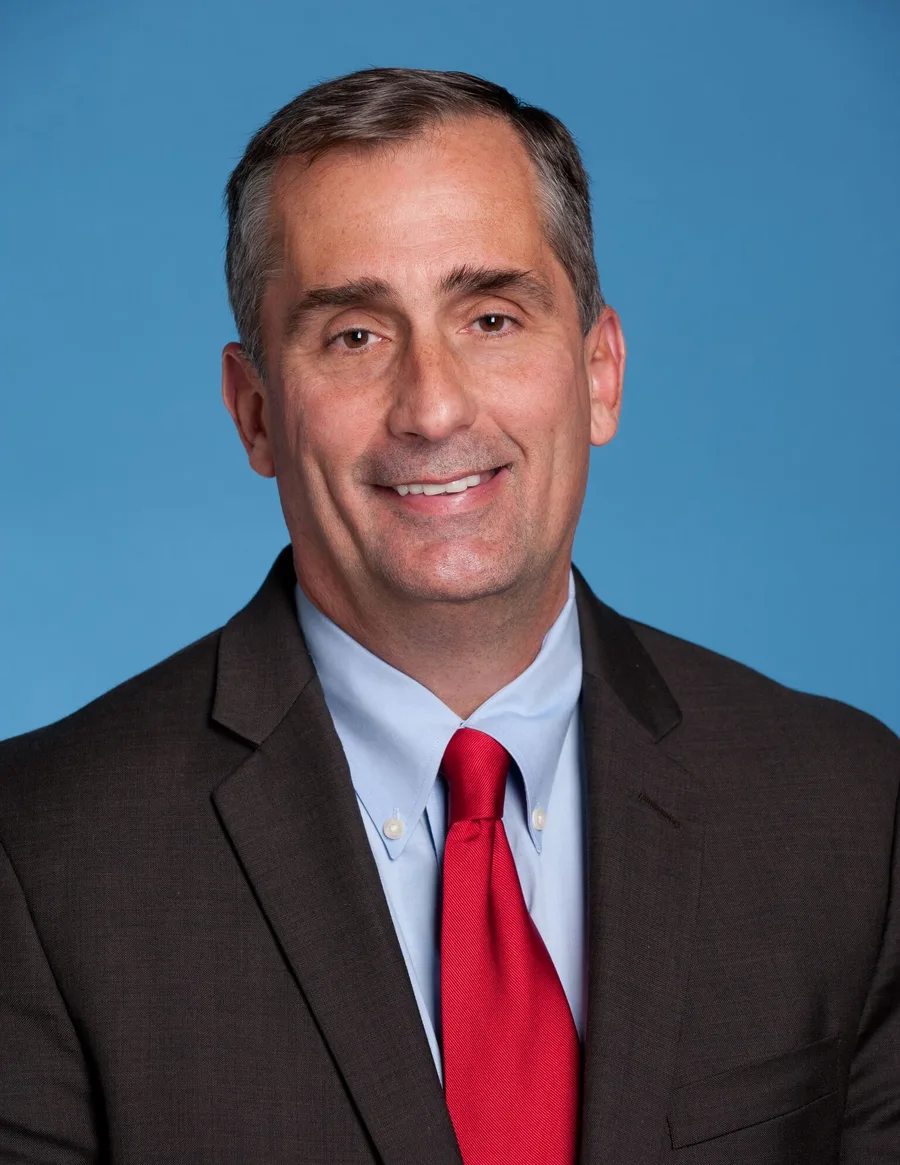
CEO of Cerence AI & Former CEO of Intel Corporation
President and CEO of Cerence and former CEO of Intel Corporation. Engineer and business executive with 40+ years leading some of the world's most consequential technology companies.
Read full bio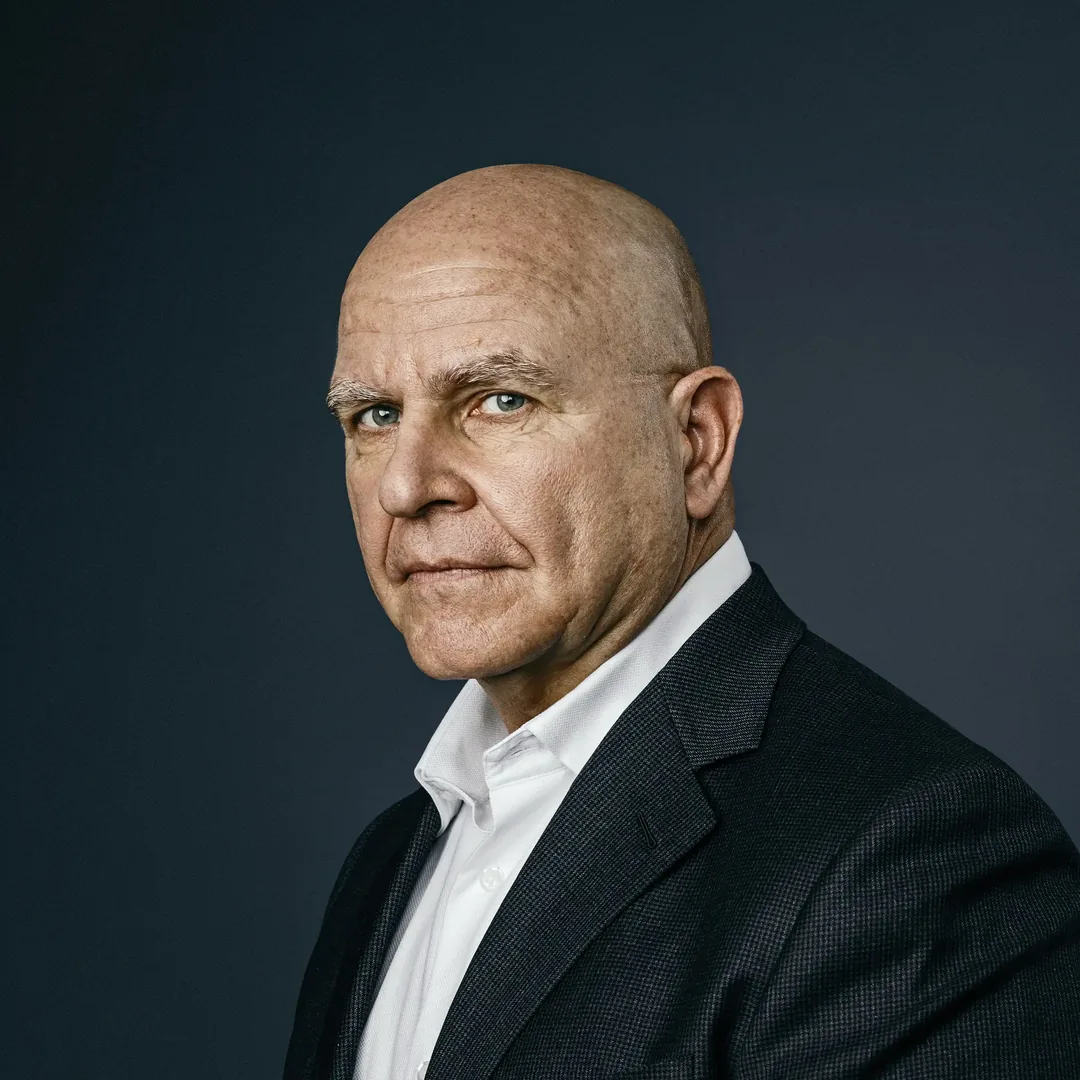
Lieutenant General, U.S. Army (Ret.) & 25th U.S. National Security Advisor
Fouad and Michelle Ajami Senior Fellow at the Hoover Institution, Stanford University. Served 34 years as a commissioned U.S. Army officer, retiring as Lieutenant General after serving as the 25th assistant to the president for National Security Affairs.
Read full bio
Former President & CEO of TIAA & Vice Chairman of the U.S. Federal Reserve
Immediate Past President and CEO of TIAA and former Vice Chairman of the Board of Governors of the U.S. Federal Reserve System. Steven A. Tananbaum Distinguished Fellow for International Economics at the Council on Foreign Relations.
Read full bio
Executive Chair & Former CEO of Target Corporation
Executive Chair of Target's Board of Directors and former CEO, credited with transforming the brand into a $100 billion omnichannel retailer. More than four decades of senior leadership across Target, PepsiCo, Sam's Club, and Michaels.
Read full bioTalk with one of our advisors about where you stand and what can still be done between now and year end.
Share a few details and a senior advisor will be in touch.
Your information is kept strictly confidential.